


The Complex Choreography of Air Travel: An Introduction to the Airport Operations Industry
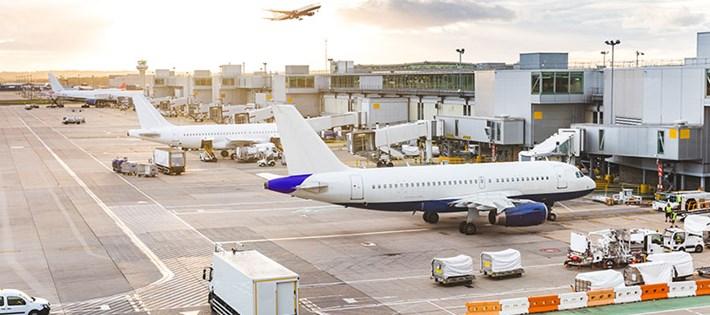
An airport is far more than just a building with runways; it is a complex, dynamic, and minutely choreographed ecosystem, a "city within a city" that operates 24/7 to facilitate the safe and efficient movement of millions of passengers and tons of cargo. The immense and intricate task of managing this ecosystem is the domain of the global Airport Operations industry. This sector encompasses all the services, processes, and technologies required to run an airport, from the moment an aircraft touches down to the moment it takes off again. This includes "airside" operations, which involve everything happening on the airfield, such as aircraft handling, gate management, and runway maintenance. It also includes "landside" operations, which cover everything within the terminal, from passenger check-in and baggage handling to security screening and retail management. In an era of ever-increasing air travel demand and heightened security expectations, the airport operations industry is under constant pressure to become more efficient, more secure, and more passenger-centric, relying on a sophisticated blend of human expertise and advanced technology to orchestrate the complex ballet of modern air travel.
The airport operations industry is traditionally divided into two main domains: airside and landside. Airside operations are at the heart of the airport's primary function. This is the highly controlled and secure environment of the runways, taxiways, and aprons. A key function here is aircraft ground handling. This is a comprehensive set of services provided to an aircraft while it is parked at the gate. It includes marshaling the aircraft into its stand, connecting it to ground power and air conditioning, loading and unloading baggage and cargo, refueling, catering, and pushback for departure. These services are performed by either the airline's own staff or, more commonly, by specialized third-party ground handling companies. Airside operations also include the management of the airfield itself, which involves runway and taxiway maintenance, bird and wildlife control, and ensuring the airfield is safe and clear of debris. The Airport Operations Control Center (AOCC) acts as the central nervous system, coordinating all these airside activities between the airlines, ground handlers, and air traffic control to ensure smooth and safe aircraft movements.
In parallel, landside operations focus on the passenger's journey through the terminal building. This domain is all about passenger processing and experience. It begins with passenger check-in and bag drop, which is increasingly shifting from traditional staffed counters to self-service kiosks and automated bag drop systems. The next critical step is security screening, a complex process managed by government agencies or contracted security firms, involving the screening of both passengers and their carry-on luggage. Once through security, passengers enter the retail and concession area, where the airport operator manages the leasing and operation of shops, restaurants, and lounges, which are a major source of non-aeronautical revenue. The final, and most complex, part of the passenger processing journey is baggage handling. This involves a massive, automated system of conveyors, sorters, and scanners that transports a passenger's checked bag from the check-in counter to the correct aircraft, and then from an arriving aircraft to the baggage claim carousel, a logistical marvel that must operate with incredible speed and accuracy.
Ultimately, the goal of the airport operations industry is to orchestrate these myriad airside and landside functions into a single, seamless, and efficient system. The key to this is collaboration and data sharing. The airport operator, airlines, ground handlers, air traffic control, and security agencies must all work in close coordination. This is enabled by a suite of sophisticated IT systems that provide a shared, real-time view of the operational environment. These platforms, often centered around an Airport Operational Database (AODB), track the status of every flight, the allocation of every gate and check-in counter, and the location of every piece of ground support equipment. This concept of Airport Collaborative Decision Making (A-CDM), where all stakeholders share information to make better, more coordinated decisions, is the guiding principle of modern airport operations. By breaking down information silos and working together, the industry can improve punctuality, maximize the use of its expensive infrastructure, and deliver a smoother and more predictable travel experience for the millions of passengers it serves every day.
Top Trending Reports:

 English
 Arabic
 Spanish
 Portuguese
 Deutsch
 Turkish
 Dutch
Dutch
 Italiano
 Russian
 Romaian
 Portuguese (Brazil)
 Greek
Greek