


The Infrastructure of Connection: Deconstructing the Nigeria Telecom Market Platform
The technology and infrastructure that connect Africa's largest nation constitute a complex and multi-layered system. The term "platform" in the context of the Nigeria Telecom Market Platform refers to the entire end-to-end telecommunications architecture, from the international gateways that connect Nigeria to the world, to the last-mile access network that reaches the end user. At the highest level is the International Connectivity and National Backbone Platform. This is the superhighway that brings the global internet into Nigeria and distributes it across the country. It consists of a growing number of submarine fiber optic cables that land on the coast of Lagos, providing massive international bandwidth. From these landing stations, a national fiber optic backbone, operated by a mix of long-distance carriers and the major MNOs, transports the data to major cities and network hubs throughout the country. The capacity and resilience of this backbone platform are critical for the overall quality and speed of the internet for the entire nation. Ongoing investment in expanding this fiber network is a key priority for reducing the cost of bandwidth and improving service quality.
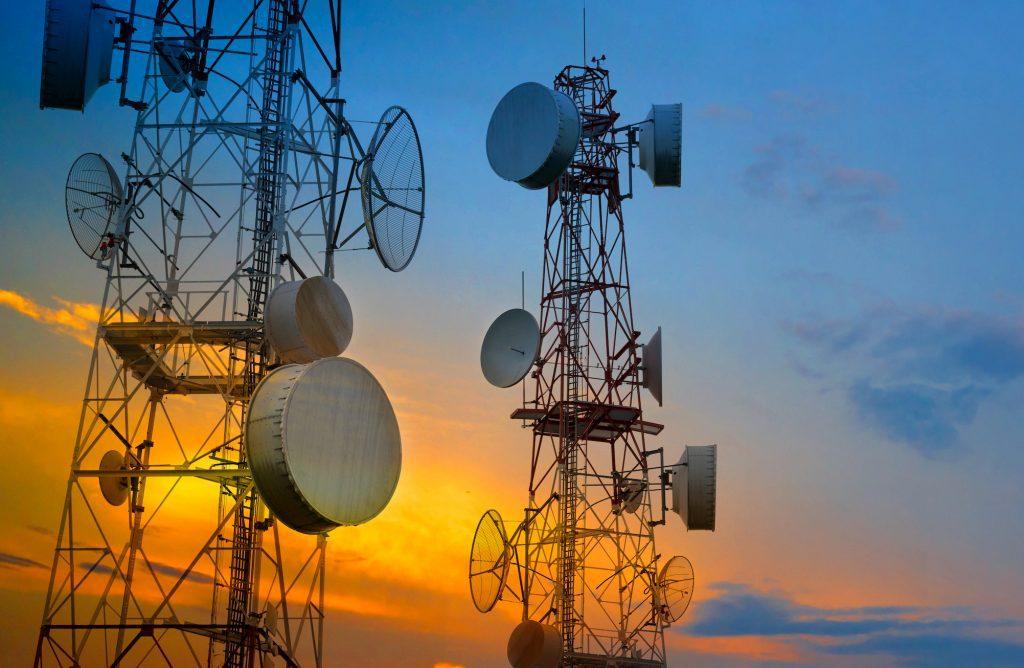
The most visible and extensive layer of the platform is the Mobile Access Network. This is the "last mile" infrastructure that provides connectivity directly to the millions of mobile subscribers. This platform is owned and operated by the major Mobile Network Operators (MNOs) like MTN, Glo, Airtel, and 9mobile. It consists of a vast network of thousands of cell towers spread across the country. Each tower is equipped with base stations and antennas that transmit and receive radio signals to and from the users' mobile phones. The technology deployed on these base stations has been evolving from older 2G and 3G systems to a widespread deployment of 4G/LTE, which is the current workhorse for mobile data. The MNOs are also now beginning to deploy 5G technology in major urban centers, which promises to deliver significantly higher speeds and lower latency. Each cell tower is connected back to the MNO's core network, often via a microwave link or, increasingly, a high-capacity fiber optic connection (known as "fiber-to-the-tower"). The density, capacity, and technological sophistication of this mobile access network are the primary determinants of the customer experience.
The "brain" of the entire mobile platform is the Core Network. This is the centralized infrastructure, located in secure data centers, that manages all the key functions of the mobile service. The core network is responsible for authenticating subscribers, managing their accounts and billing information, routing voice calls, and connecting mobile users to the internet. It is a highly complex system of specialized servers and software that handles essential functions like the Home Location Register (HLR) which stores subscriber information, and the gateways that connect the mobile network to the public internet. As the networks evolve, a major architectural shift is underway towards network virtualization and cloud-native technologies. This involves moving away from traditional, proprietary hardware to running the core network functions as software on standard, commercial off-the-shelf servers. This new architecture makes the core network more flexible, scalable, and cost-effective to operate, allowing the MNOs to deploy new services more quickly.
Finally, the entire platform is supported by a crucial Service Delivery and Business Support System (BSS) layer. This is the suite of software that manages the commercial and customer-facing aspects of the business. It includes the billing and charging system, which is critical in a predominantly prepaid market for keeping track of a user's account balance and deducting charges for calls and data in real-time. It includes the Customer Relationship Management (CRM) system, which is used by customer service agents to manage subscriber accounts and resolve issues. It also includes the platforms that deliver value-added services, such as mobile money platforms and content delivery systems. A key part of this layer is the USSD (Unstructured Supplementary Service Data) gateway, which provides a simple, text-based menu system that allows users, especially those with feature phones, to check their balance, buy data bundles, and access mobile banking services, making it a critical platform for financial inclusion and service delivery to the mass market.
Top Trending Reports:

 English
 Arabic
 French
 Spanish
 Portuguese
 Deutsch
 Turkish
 Dutch
Dutch
 Russian
 Romaian
 Portuguese (Brazil)
 Greek
Greek