


How Dermatologists Treat Stubborn Adult Acne
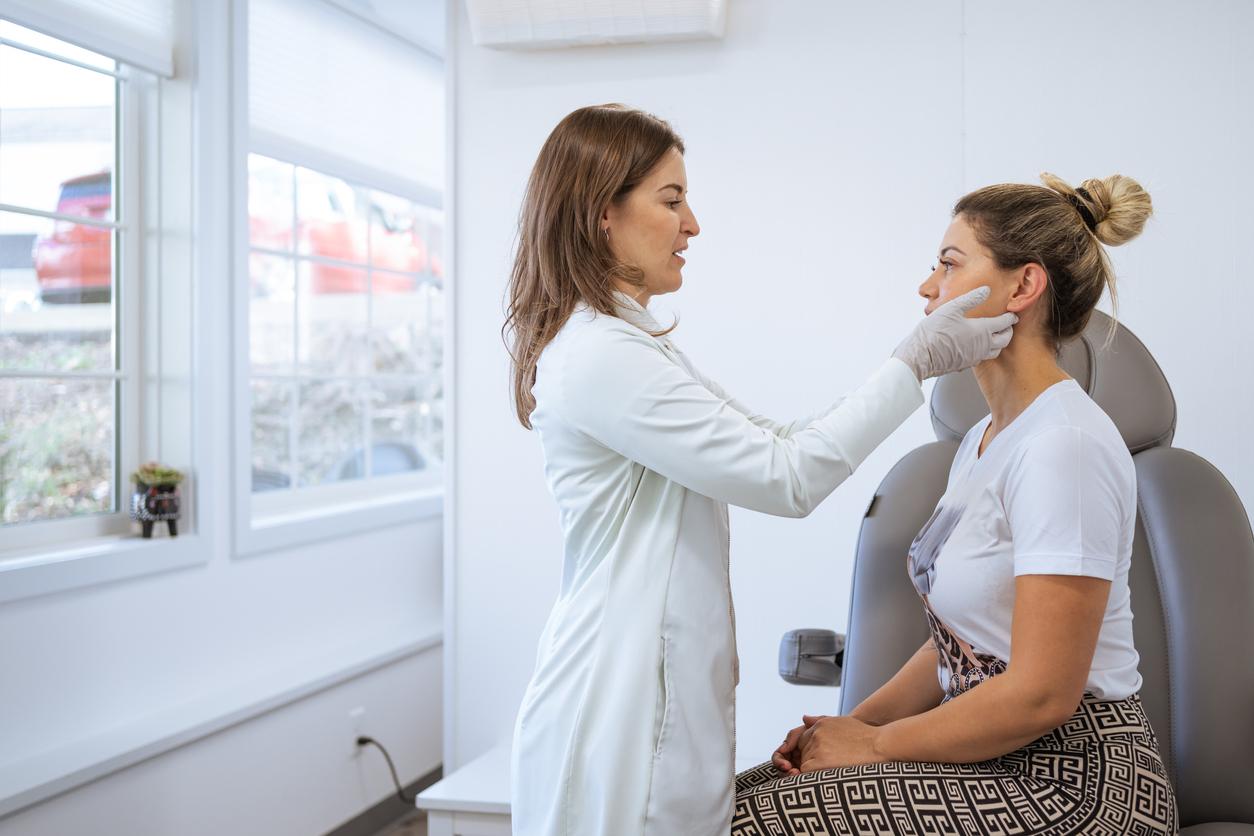
Adult acne is a common yet often frustrating condition that affects many people well beyond their teenage years. Unlike adolescent acne, adult acne can be persistent, inflammatory, and resistant to over-the-counter treatments. Consulting a skilled Dermatologist Riyadh residents rely on can make a significant difference, as professional evaluation helps identify the underlying causes and implement targeted therapies. Understanding the approaches dermatologists use to treat stubborn adult acne can empower patients to achieve clearer, healthier skin through evidence-based care rather than trial-and-error remedies.
Understanding the Causes of Adult Acne:
Adult acne is typically influenced by a combination of hormonal fluctuations, stress, genetics, and environmental factors, which can cause excess oil production, clogged pores, and inflammation. Women are particularly affected due to hormonal changes related to menstrual cycles, pregnancy, or menopause, while both men and women may experience acne due to stress or lifestyle factors. Identifying these triggers is essential for developing an effective treatment plan, as addressing the root cause often prevents flare-ups from recurring.
-
Hormonal fluctuations in women
-
Stress-induced cortisol increases
-
Genetic predisposition to acne
-
Lifestyle factors and diet
-
Environmental triggers like pollution
Comprehensive Skin Assessment:
A dermatologist begins treatment by conducting a thorough skin examination to assess acne type, severity, and potential complications such as scarring or hyperpigmentation. This evaluation also includes a detailed review of medical history, prior treatments, skincare routines, and lifestyle habits. Understanding each patient’s unique skin profile allows dermatologists to tailor interventions specifically for stubborn adult acne rather than using generic solutions.
-
Assessment of acne severity and type
-
Examination for scarring or pigmentation
-
Review of past treatments
-
Evaluation of skincare habits
-
Consideration of lifestyle and environmental factors
Topical Treatments for Adult Acne:
For many cases of adult acne, dermatologists prescribe potent topical medications that target inflammation, bacterial growth, and clogged pores. Retinoids, such as adapalene or tretinoin, promote cell turnover and prevent pore blockages, while benzoyl peroxide reduces acne-causing bacteria. Antibiotic creams or gels may also be used to address persistent inflammation. Professional guidance ensures proper application, minimizes irritation, and combines treatments effectively for maximum results.
-
Retinoids for cell turnover
-
Benzoyl peroxide to reduce bacteria
-
Topical antibiotics for inflammation
-
Combination therapies to enhance efficacy
-
Proper usage guidance to prevent irritation
Oral Medications for Severe Cases:
When topical treatments are insufficient, dermatologists may prescribe oral medications to control stubborn acne from the inside out. Oral antibiotics can reduce bacterial growth and inflammation, while hormonal therapies like oral contraceptives or anti-androgen medications help regulate excess oil production in women. In severe or resistant cases, isotretinoin may be considered, which targets multiple acne-causing factors simultaneously but requires careful monitoring due to potential side effects.
-
Oral antibiotics for resistant acne
-
Hormonal therapy for women
-
Isotretinoin for severe cases
-
Close monitoring for side effects
-
Personalized dosage based on severity
Addressing Acne Scars and Pigmentation:
Adult acne often leaves behind scars or dark spots, which can persist even after active lesions are treated. Dermatologists provide a variety of treatments to improve skin texture and tone, including chemical peels, microneedling, laser therapy, and prescription creams for hyperpigmentation. Early intervention is important, as prompt treatment prevents scars from becoming deeper or more pronounced over time.
-
Chemical peels for surface renewal
-
Microneedling to stimulate collagen
-
Laser treatments for texture and pigmentation
-
Topical lightening agents for dark spots
-
Combination approaches for optimal results
Lifestyle and Skincare Recommendations:
A dermatologist’s approach to adult acne extends beyond prescription treatments to include guidance on lifestyle adjustments and proper skincare. Gentle cleansing, non-comedogenic products, balanced diet, adequate hydration, stress management, and sun protection all support the effectiveness of medical treatments. These recommendations help maintain skin barrier integrity and reduce flare-ups over time, complementing in-office interventions.
-
Gentle, non-irritating cleansers
-
Non-comedogenic moisturizers and makeup
-
Balanced diet and hydration
-
Stress reduction strategies
-
Daily sun protection to prevent pigmentation
Monitoring Progress and Adjusting Treatment:
Stubborn adult acne requires consistent follow-up to track progress and modify treatment plans as needed. Dermatologists schedule periodic appointments to evaluate response, monitor for side effects, and adjust medications or therapies accordingly. Personalized follow-up ensures that acne management evolves with changes in skin condition, hormonal shifts, and lifestyle factors, resulting in more consistent long-term results.
-
Regular follow-up appointments
-
Monitoring for improvement or side effects
-
Adjusting medication types or dosage
-
Modifying treatment based on skin response
-
Long-term management strategies
Advanced In-Office Procedures:
For persistent acne or severe cases, dermatologists may incorporate in-office procedures to accelerate healing and reduce inflammation. These include light or laser therapies that target bacteria, reduce oil production, and improve skin texture. Chemical peels performed under professional supervision can also help unclog pores, minimize breakouts, and treat residual scarring. Combining in-office procedures with ongoing topical and oral treatments often produces the best results for stubborn adult acne.
-
Light-based therapies to reduce bacteria
-
Laser treatments to control oil and inflammation
-
Chemical peels for exfoliation
-
Targeted procedures for scars and pigmentation
-
Integrated approach with medications
Final Thoughts:
Treating stubborn adult acne requires a comprehensive, personalized approach that addresses underlying causes, inflammation, and potential scarring. Consulting a Dermatologist Riyadh patients trust ensures access to professional evaluation, prescription treatments, and in-office procedures tailored to individual needs. By combining medical interventions with lifestyle guidance and proper skincare, patients can achieve long-lasting improvements in both skin clarity and overall confidence.

 English
 Arabic
 French
 Spanish
 Portuguese
 Deutsch
 Dutch
Dutch
 Italiano
 Russian
 Romaian
 Portuguese (Brazil)
 Greek
Greek