


PRP Hair Treatment Recovery Time: What to Expect After the Procedure
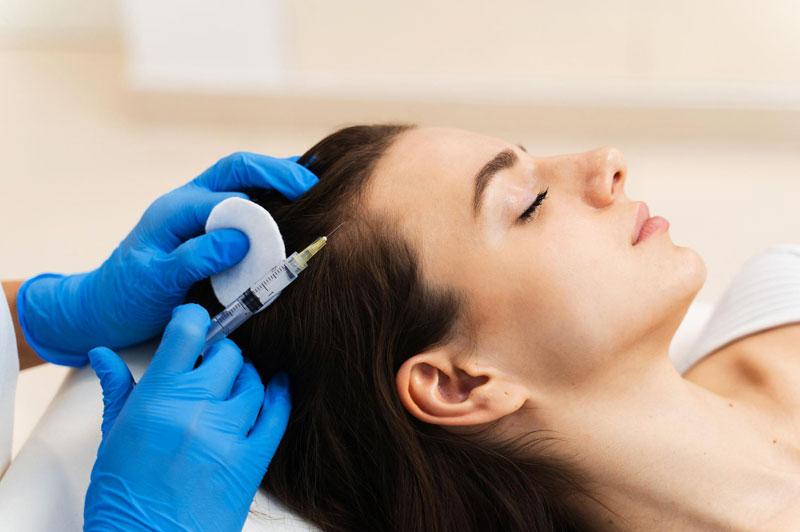
Hair loss affects millions of people globally, prompting many to explore effective solutions to restore hair density and scalp health. PRP Hair Treatment has become a popular option for those seeking a minimally invasive, natural approach to hair restoration. One of the most common questions patients have is about recovery time and what to expect after the procedure. Understanding the healing process, potential side effects, and aftercare measures is essential to ensure optimal results and a smooth experience.
What Is PRP Hair Treatment:
PRP hair treatment involves drawing a small amount of the patient’s blood, processing it to concentrate the platelets, and injecting the platelet-rich plasma into thinning or weakened areas of the scalp. The growth factors in PRP stimulate dormant hair follicles, promote natural hair growth, and improve overall scalp health. Since the procedure uses the patient’s own blood, it is generally safe and well-tolerated, with minimal downtime compared to surgical hair restoration methods.
Immediate Recovery After PRP:
Recovery after a PRP session is generally quick, with most patients able to resume normal activities almost immediately. Some mild, temporary effects are expected as the scalp adjusts to the injections.
Typical immediate recovery signs include:
-
Slight redness or swelling at injection sites
-
Mild tenderness or scalp sensitivity
-
Minor pinpoint bruising in treated areas
-
Temporary itching or tingling sensations
-
Minimal discomfort that usually resolves within a few hours
These effects are part of the normal healing process and do not typically interfere with daily routines.
Short-Term Recovery (First Few Days):
Within the first few days after a PRP session, the scalp continues to heal, and some mild side effects may persist. Patients are generally advised to follow specific aftercare instructions to support recovery.
Short-term recovery considerations include:
-
Avoiding strenuous exercise or heavy sweating for 24–48 hours
-
Refraining from using harsh hair products or chemical treatments
-
Keeping the scalp clean and avoiding scratching or rubbing
-
Using gentle shampoos as recommended by the specialist
-
Monitoring for any unusual pain, swelling, or infection signs
Following these guidelines helps minimize discomfort and ensures the scalp heals properly.
Medium-Term Recovery (First Few Weeks):
Over the next few weeks, patients may notice subtle changes in hair shedding and scalp condition. Some mild shedding of weak hair strands is normal and indicates that follicles are entering the growth phase.
Medium-term recovery expectations include:
-
Gradual reduction in scalp tenderness or swelling
-
Temporary hair shedding as follicles adjust
-
Improved scalp circulation and follicle stimulation
-
Continued follicle strengthening beneath the surface
-
Minimal disruption to daily activities
Patience is important during this stage, as visible hair growth typically occurs gradually over several months.
Long-Term Recovery and Results:
Full results from PRP hair treatment are usually visible after several sessions, with recovery focusing more on maintaining and supporting hair growth rather than managing side effects.
Long-term recovery outcomes include:
-
Noticeable increase in hair density and thickness
-
Stronger, healthier hair strands
-
Reduced shedding and improved follicle function
-
Sustained scalp health and circulation
-
Ongoing maintenance with periodic follow-up sessions
Long-term success is closely tied to adhering to the recommended session schedule and aftercare plan.
Factors Influencing Recovery Time:
Recovery time can vary depending on individual factors, including scalp condition, age, and overall health. Understanding these variables helps patients set realistic expectations.
Key influencing factors include:
-
Number of PRP sessions performed
-
Severity of hair thinning or scalp sensitivity
-
Individual healing rate and platelet activity
-
Compliance with aftercare instructions
-
Use of complementary treatments like medications or topical solutions
Tailoring recovery expectations based on these factors ensures a smoother experience and better results.
Aftercare Tips to Speed Recovery:
Following proper aftercare is crucial for minimizing side effects and supporting optimal hair growth after PRP treatment.
Helpful aftercare tips include:
-
Avoid touching or scratching the treated areas
-
Use only gentle hair care products for at least a week
-
Avoid heat styling tools and chemical treatments temporarily
-
Stay hydrated and maintain a balanced diet for scalp health
-
Attend follow-up appointments to monitor progress
These steps help the scalp heal efficiently and maximize the effectiveness of PRP therapy.
Signs That Require Medical Attention:
While PRP therapy is generally safe, patients should be aware of rare complications that may require professional attention.
Red flags include:
-
Persistent or worsening swelling and redness
-
Severe pain at injection sites
-
Signs of infection such as pus or unusual discharge
-
Allergic reactions, though rare due to autologous blood use
-
Unusual hair loss patterns beyond normal shedding
Prompt consultation with the specialist ensures that any issues are addressed quickly and safely.
Combining PRP With Other Treatments:
PRP therapy can be used alongside other hair restoration methods to enhance results, but this may affect recovery time.
Considerations include:
-
Microneedling to improve PRP absorption
-
Topical or oral medications for hair growth
-
Laser therapy to stimulate follicle activity
-
Nutritional supplements to support follicle health
-
Scheduling complementary treatments with proper intervals
Integrating these approaches under professional supervision can improve results without significantly prolonging recovery.
Final Thoughts:
PRP Hair Treatment offers a safe, minimally invasive approach to hair restoration with relatively short recovery times. Patients can expect mild, temporary side effects immediately following the procedure, with most returning to normal activities the same day. Over the weeks and months following treatment, the scalp continues to heal while hair follicles are stimulated to grow stronger, thicker strands. By following aftercare instructions, attending follow-up sessions, and maintaining healthy scalp practices, patients can maximize results and enjoy the long-term benefits of PRP therapy with minimal disruption to their daily lives.

 English
 Arabic
 French
 Spanish
 Portuguese
 Deutsch
 Turkish
 Dutch
Dutch
 Italiano
 Romaian
 Portuguese (Brazil)
 Greek
Greek